Why Series A Startups Are Replacing WordPress with Webflow
Iftikhar Ahmad Khan
Co-Founder & Content Strategist
Often, startups treat their marketing website as a simple publishing tool. In reality, it becomes part of the company’s infrastructure much earlier than founders expect.
A plugin update breaks the site before a board meeting. A small layout change requires developer time. Security reviews begin to include the marketing stack. What looked like a lightweight system becomes a maintenance responsibility.
Much of this friction comes from the way WordPress evolved. It was originally designed for blogging and content publishing in the early 2000s. Yet many modern startups run complex SaaS businesses on top of an architecture that depends heavily on themes, plugins, and manual maintenance.
For early-stage companies, this often becomes a resource allocation issue rather than a purely technical one. Engineering teams spend time maintaining the marketing website instead of focusing on the product.
Platforms such as Webflow are increasingly used as an alternative because they allow marketing teams to manage most website changes without ongoing developer involvement.
Why WordPress Costs More Than You Think
Hosting costs are rarely the main issue. The higher cost comes from the workflow required to publish and update pages.
In many startups, launching a new landing page follows a familiar sequence. A designer creates the layout. A developer builds the page inside the CMS. Quality assurance reviews the page before it goes live. Even small campaigns can take days or weeks to publish.
During that time, the marketing team waits for engineering availability. Engineers switch context from product work to website maintenance.
The cost of this process is measured mostly in engineering hours and slower launch cycles.
With Webflow, designers and marketers can build and publish pages directly through a visual editor. Changes can be previewed immediately and published without development tickets. This shortens the time between idea and launch.
For growth teams running frequent campaigns, faster publishing often leads to more experiments and faster iteration.
Aspect
WordPress Reality
Webflow Reality
Page or layout changes
Structural or design changes often require help from a developer, especially when the layout is controlled by a theme or page builder.
Marketers or designers can usually create and publish pages themselves using the visual editor in Webflow.
Review and publishing time
Changes often move through a small development cycle before they go live.
Pages can be previewed visually and published quickly after review.
Updates and maintenance
Sites often rely on many plugins that need updates and occasional troubleshooting.
Most functionality is built directly into Webflow, so there are fewer external dependencies to maintain.
Analytics and tracking
Tools such as Google Analytics or HubSpot are often connected through plugins or manual setup.
Marketing and analytics tools like HubSpot, Segment, or Google Tag Manager can usually be added directly through simple integrations or a short code snippet.
Hosting and performance
Hosting, caching, and CDN services are often managed through separate providers and settings.
Hosting, global CDN, and performance optimizations are managed within Webflow.
Content migration
Moving content between systems can require technical work, especially when custom plugins or fields are involved.
Content and site structure can usually be exported in an organized format if the team decides to move platforms later.
How Plugin Overload Puts Your Website at Risk
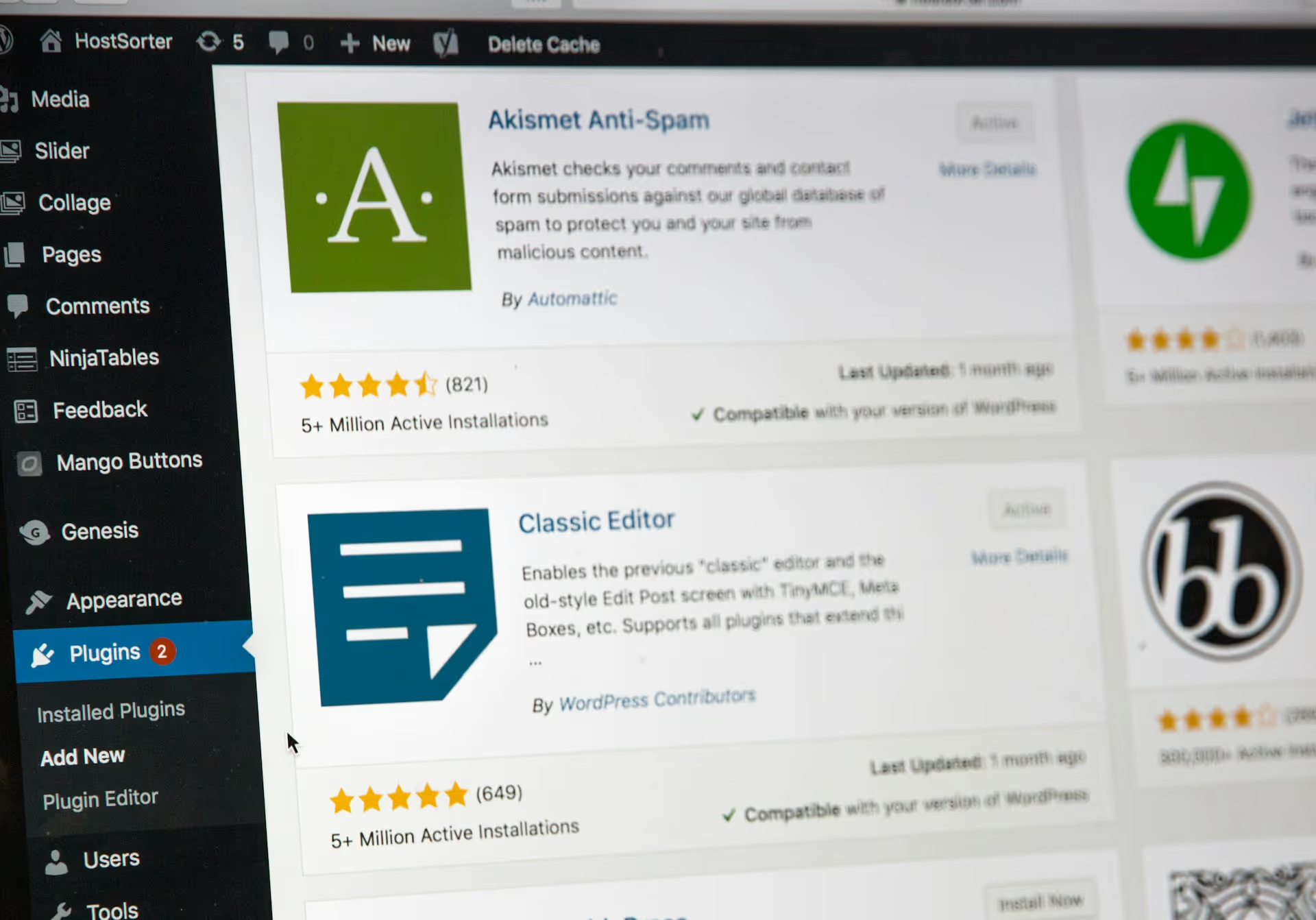
WordPress websites rely on a large number of plugins to add features such as analytics, forms, caching, security, and page building.
Source: Unsplash
It is common for a production site to run between 15 and 30 plugins. Each plugin adds functionality, but it also introduces another dependency that needs updates, compatibility checks, and security monitoring.
Over time, maintaining these dependencies becomes part of routine operations.
This matters more as startups begin working with larger customers. Enterprise buyers often run vendor security reviews that examine not only the product but also the supporting infrastructure.
When a marketing website depends on many external plugins, security teams may request additional audits or documentation.
Websites built with Webflow run on managed infrastructure and do not rely on third-party plugins. During vendor security reviews, this usually makes conversations easier because there are fewer components for security teams to audit and maintain.
For companies entering enterprise sales, this can remove unnecessary friction during procurement.
Launch More Experiments, Learn More, Grow Faster
Early-stage SaaS often struggles with how quickly they can publish and test those ideas.
When marketing teams depend on developers for every structural change to a website, even small experiments take time to ship. New campaign pages, product announcements, or feature explanations often wait in the same queue as engineering work.
This slows down experimentation.
Source: Unsplash
A typical WordPress workflow involves several steps. Designers prepare the layout, developers implement the structure inside the theme or page builder, and the team reviews the result before publishing. The process works, but it creates dependencies between teams.
In Webflow, the publishing model is different. The visual editor allows designers and marketers to create and update pages directly. Layout changes, new sections, and campaign pages can often be built and published without engineering involvement.
The practical result is shorter publishing cycles.
When marketing teams can launch pages independently, they tend to run more experiments. Campaigns start faster, messaging evolves faster, and product updates reach the market sooner.
Over time, this difference compounds. Faster publishing leads to faster learning.
How Your Website Can Make or Break Enterprise Deals
As startups begin selling to larger companies, security reviews become a normal part of the sales process. Procurement teams evaluate not only the product but also parts of the company’s infrastructure.
This can include the marketing website.
In some cases, a promising enterprise pilot pauses during vendor review because a security scan identifies a vulnerability on the public website. Sometimes the issue comes from an outdated library or plugin rather than the product itself.
Source: Pxhere
Even when the vulnerability is minor, security teams may request documentation or remediation before continuing the procurement process.
Websites built with Webflow run on managed infrastructure and avoid third-party plugin dependencies. This typically reduces the number of components that need to be reviewed during security checks.
For startups beginning enterprise sales conversations, a simpler web architecture can reduce friction during vendor review.
Your marketing website becomes part of the company’s credibility, not just its promotion.
Why Teams Fear Their Own Website And How Webflow Fixes It
Another common challenge appears over time.
A startup hires an agency to build its website using WordPress. The agency uses a theme and a page builder that work well during the initial launch.
Months later, the internal team wants to modify or expand the site. Because the original structure is unfamiliar, the company hires a contractor to adjust or extend the system.
The contractor makes the requested changes but also introduces additional complexity.
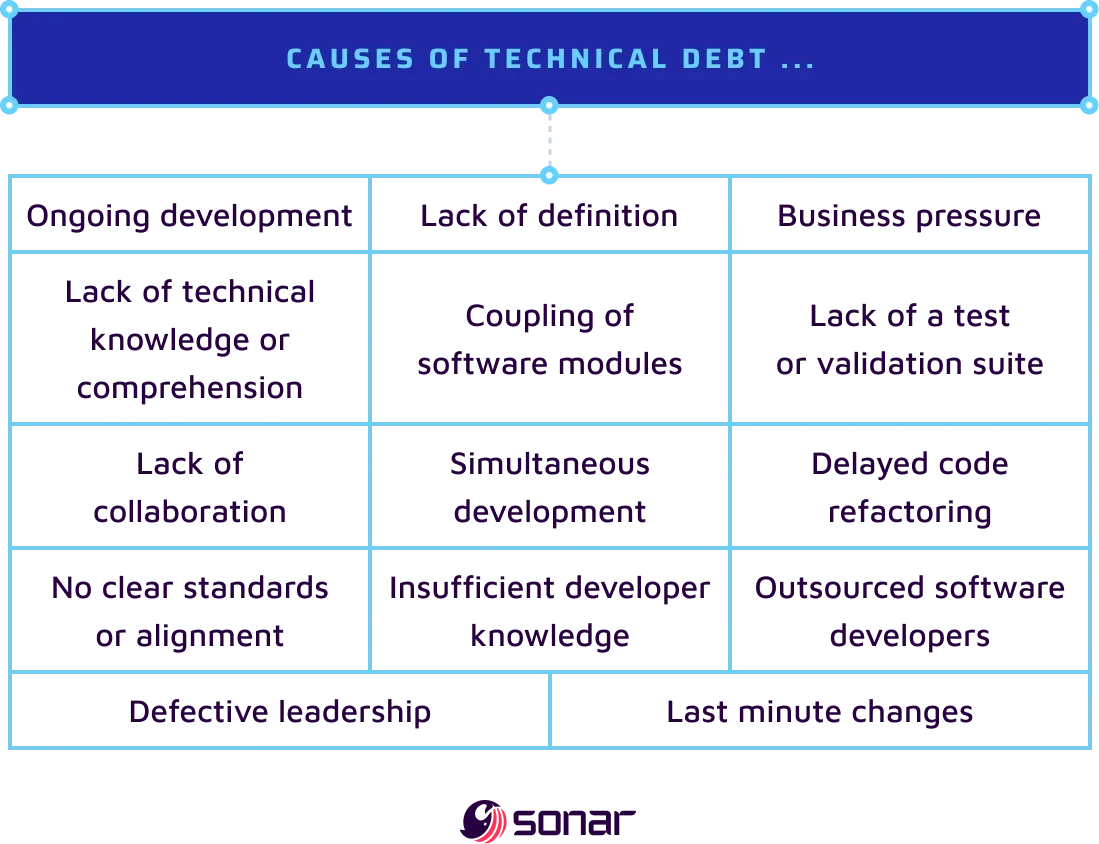
Over time, multiple contributors modify the same theme files, plugins, and styles. The structure becomes harder to understand, and the risk of breaking something increases. Eventually, teams become hesitant to modify parts of the site because the consequences are unclear.
This cycle creates technical debt around the marketing website.
Webflow reduces this problem by providing a visual, structured editing system. Layout components, styles, and CMS data remain organized inside the platform.
Because the structure is visible and standardized, handoffs between agencies, marketers, and designers tend to be simpler.
The goal is straightforward. Your team should feel comfortable managing the website rather than avoiding it.
Webflow Makes Growth Tool Integrations Effortless
For many startups, the website sits at the center of the growth stack. It connects marketing campaigns, analytics systems, and customer communication tools.
This is where operational simplicity becomes valuable.
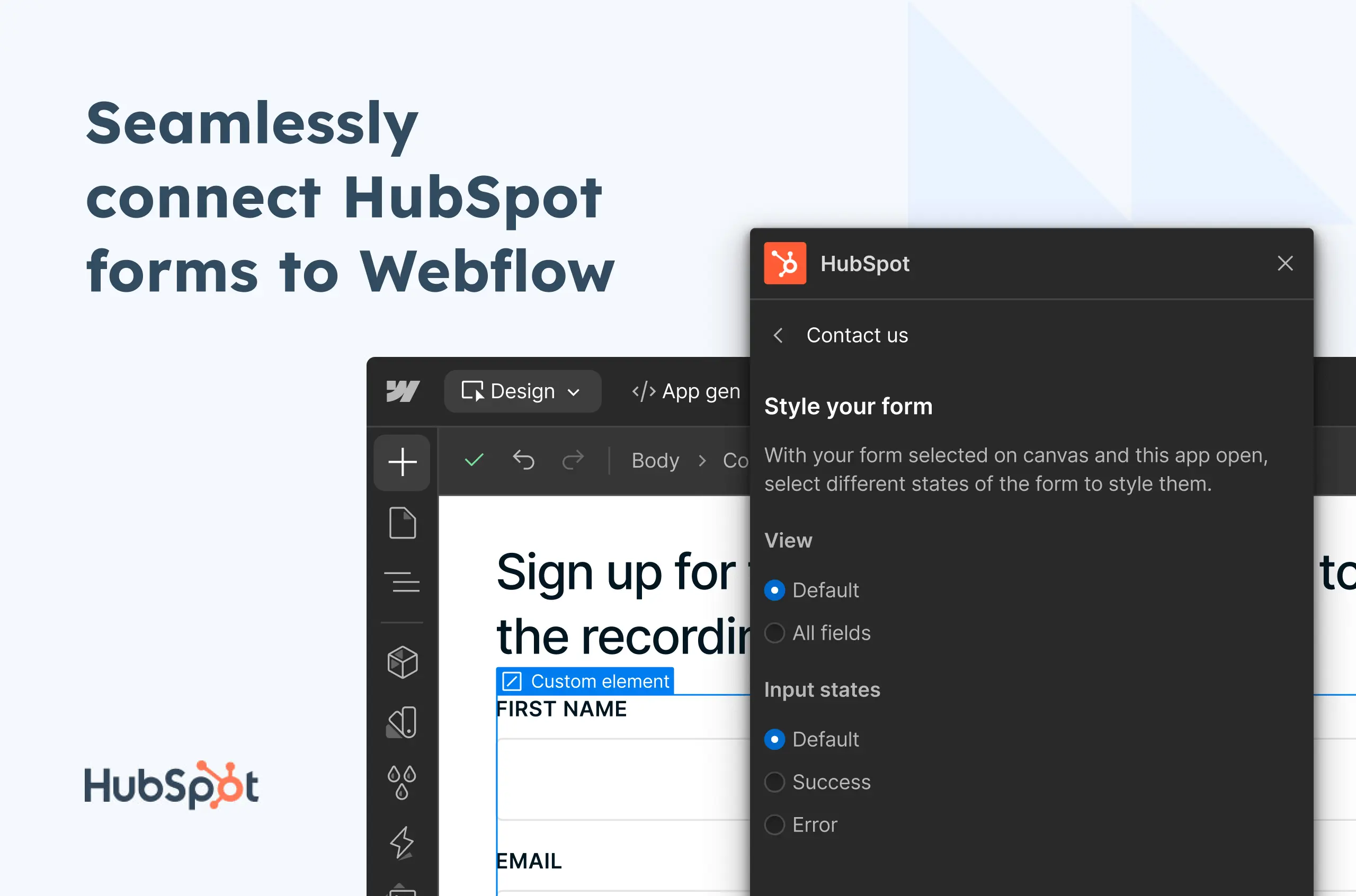
Websites built with Webflow integrate directly with many common growth tools. Form submissions can pass directly into CRM systems such as HubSpot, allowing marketing teams to route and track leads without additional middleware.
Analytics and event tracking can also connect easily with platforms like Segment. Page views, form submissions, and user interactions can be captured and forwarded into analytics pipelines without complex plugin setups.
Customer communication tools such as Intercom can be added globally so that chat widgets appear consistently across all pages. Once installed, new pages inherit the same integrations automatically.
When these systems connect cleanly, marketing teams spend less time configuring tools and more time running experiments and campaigns.
When Startups Should Consider Migrating
Timing matters when changing website platforms.
For many startups, the practical window appears after raising a Series A round and before the marketing site grows into a large content archive. At this stage, the company has resources to invest in infrastructure improvements but has not yet accumulated hundreds of pages or years of legacy content.
Waiting until later funding stages can make migration more complex. A larger blog archive, heavier plugin usage, and years of accumulated customization can increase the effort required to move platforms.
In most cases, migrating a marketing site to Webflow takes a few weeks when handled by an experienced team. Redirects preserve search rankings, analytics tracking can continue without interruption, and CMS content can be structured during the migration.
The earlier the move happens, the simpler the process tends to be.
Three Practical Decisions for Founders
If your startup is currently running its marketing website on WordPress, there are three useful questions to evaluate.
Source: Unsplash
First, review the number of plugins your site depends on. Each plugin adds functionality, but also introduces maintenance and security responsibility. Understanding how many dependencies exist is a useful starting point.
Second, consider whether your marketing team can publish pages independently. If launching a landing page always requires developer time, growth experiments may move more slowly than necessary.
Third, evaluate the long-term complexity of migration. Moving a site with fifty pages is significantly simpler than migrating one with hundreds of articles and years of custom plugin configurations.
These decisions affect how quickly marketing teams can operate and how engineering resources are allocated.
Marketing Teams Should Own Publishing, Not Developers
At early growth stages, engineering teams should focus on building the product that drives revenue and retention.
The marketing website should support that goal rather than compete with it for development time.
Most startups now prefer Webflow because they allow marketing teams to manage content, launch campaigns, and maintain the site without heavy developer involvement.
The real advantage is the shift in ownership. When marketing teams control the publishing process, engineering teams can stay focused on building the product.
And for a growing startup, that focus often matters more than the CMS powering the website.